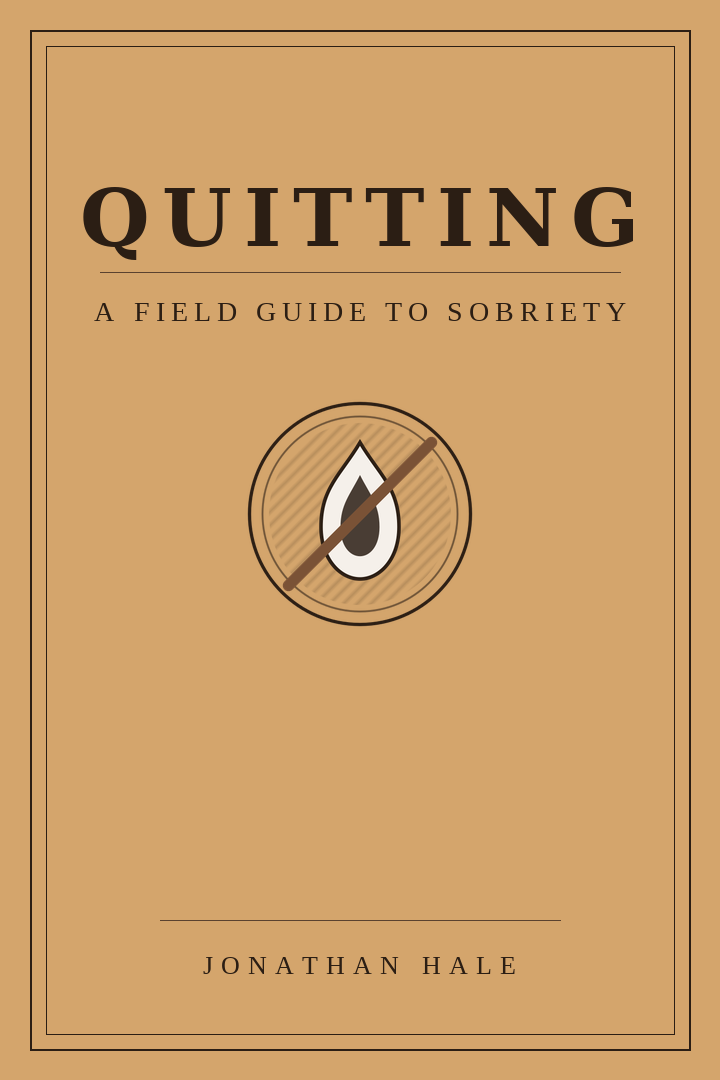
Quitting drinking is not about being strong. It’s about building a toolkit that will get you through a minefield. And what that minefield looks like is uniquely personal to you. Some people have more difficulties with the early challenges such as: cravings, sleeplessness, inertia, and ‘FOMO’. Other people can get through those more easily — but struggle with long-term issues like boredom, anhedonia, emotions coming back to the surface, and so on. There are things that have been shown to help with all of these things.
But scientists stumbled across a fascinating non-result when they went to try to match people to the best techniques. After 27 million dollars and 8 years comparing the major approaches, they discovered that the method you use to quit doesn’t matter. What kind of program someone ends up using has almost no impact on their success rate (although 12-steps get a bit of a boost because they continue after the treatment).
They also found something else that was so striking they felt the need to underline it in the conclusion of the study: there IS one thing that works across all of the programs they studied; the one consistent thing that really works. It’s called “self-efficacy”, which translates to knowing that you can handle a situation because you have the right tools, and you’re confident in them.
But where can you find tools to help you quit drinking? A good therapist might have some to teach you, but not everyone has access to one of those. Most of the books out there right now are memoirs focused on lurid stories and motivation, not giving you real, science-backed techniques to try out.
This is what this book and website are all about. The book starts from before you start drinking and works with you to strengthen your motivation and perspective on drinking. Then it reviews how to prepare and gives you a checklist through the day you quit. It also gives you a map of what to expect inside and out after your first day of sobriety, and then continues on with exercises drawn from research and quitter’s lore. So, as the problems you face and the tools you need change, you don’t run out of tools to keep reaching for and adding to your bag.
The tools are mostly things with fancy names that are really very simple but if they are done right have been shown to be beneficial, such as:
- Contingency management (bribing yourself)
- Cognitive Defusion (mocking your thoughts)
- Behavioural Activation (just doin’ stuff)
And there are TONS of them detailed in the book, so you can peruse the menu and then go to the website for an interactive tool if you think it’s for you. The books is 300+ pages of what works, and what’s on the site so far is just a sampling of the tools. The seeming lack of focus is not a bug, it’s a feature – everything needs something different, and there is room for both the serious and the silly.
Because some people need some real talk and to give themselves a shake, while others need to stop being so hard on themselves. Some people need to re-examine their deepest thoughts, while others just need a little direction on the first steps. There is no magic bullet: just start trying things. If you’re like me, all it takes is 10 minutes to know if this is really something that is helping you, or that you could apply to your real life. If it is, save it to your toolkit and schedule it for later. If it is not — move on. It is not a negative things if a tool isn’t for you.
Unfortunately, for now the book is locked away because otherwise a real publisher won’t touch it, and I want to get it to as many people as possible – which ironically involves building up some kind of audience on here first. But what you can do is start using some of the tools, and building your own toolkit. At some point I might have to start charging to cover costs, but anything you do will stay yours, free, for as long as this site exists.
Good luck! I hope this book helps you!
Notify me when it ships
One email when it lands. Plus the weekly Field Notes until then.